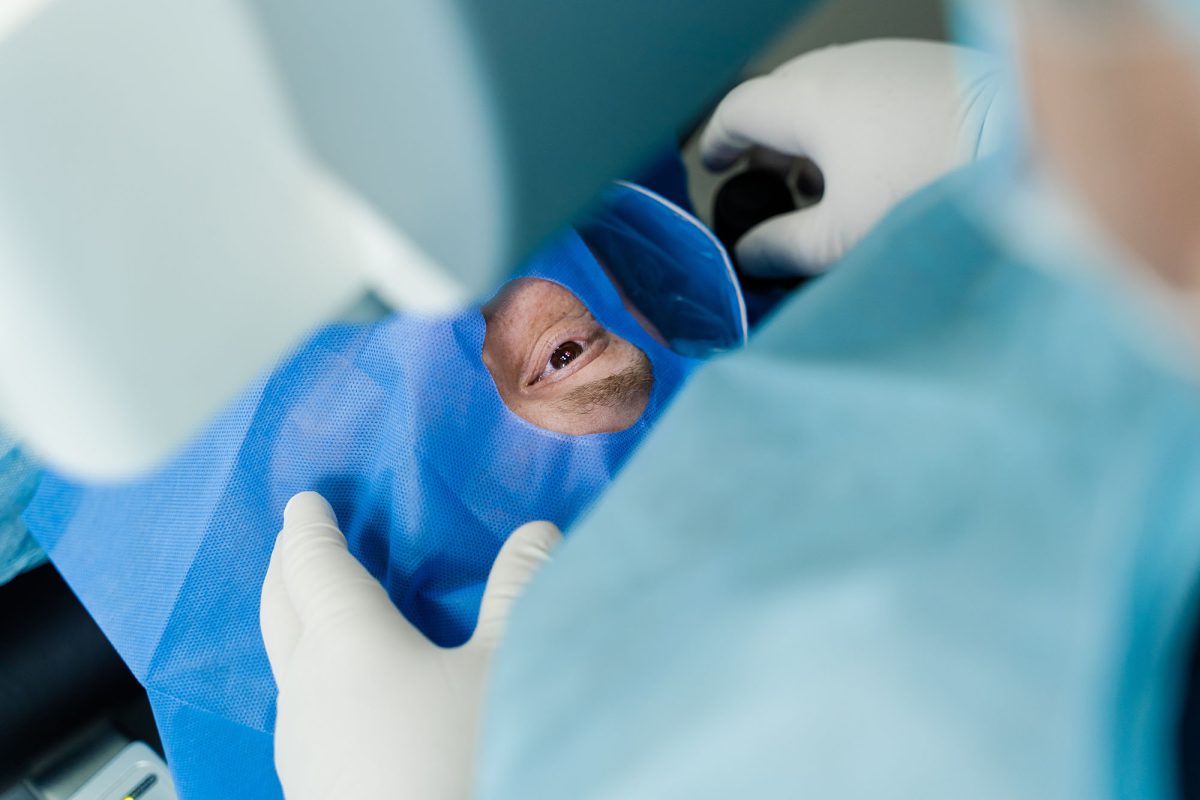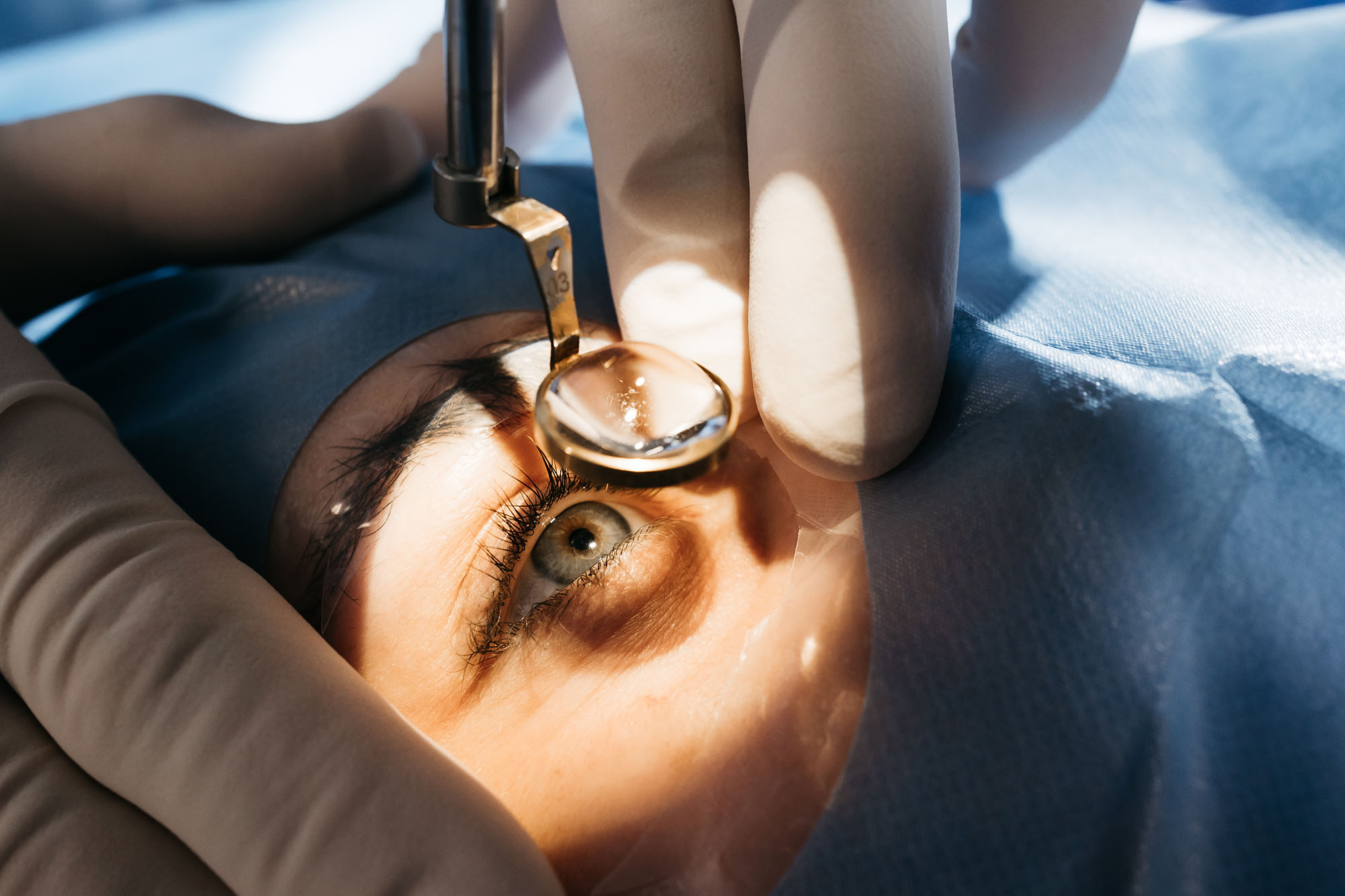
LASK is one of the most common elective laser eye surgery procedures in the world. While the majority of patients experience improved vision, LASIK surgery isn’t risk-free.
When things don’t go to plan, patients can be left with worse vision than before, chronic pain, and psychological distress. Knowing your rights around LASIK eye surgery can help you figure out whether you’ve got grounds for a clinical negligence claim.
Here we answer 10 commonly asked questions about LASIK eye surgery claims:
- What is LASIK?
- What is considered LASIK eye surgery negligence?
- What are the known risks of LASIK surgery?
- LASIK side effects vs LASIK complications: What’s the difference?
- What pre-existing conditions could disqualify me from LASIK surgery?
- Can I sue if my vision didn’t improve after LASIK?
- When does a bad outcome cross into medical negligence?
- What are the legal grounds for pursuing a claim against a LASIK eye surgeon?
- What type of compensation can I claim?
- What is the role of a medical negligence solicitor for a LASIK claim?
What is LASIK?
In a LASIK (laser-assisted in situ keratomileusis) procedure, a laser is used to reshape the cornea. The purpose is to improve how the eye focuses light rays onto the retina.
It can be used to treat:
- Myopia (short-sightedness)
- Hyperopia (long-sightedness)
- Astigmatism (imperfect curvature of the eye)
These are collectively known as ‘refractive errors’ and LASIK aims to address them.
What is considered LASIK eye surgery negligence?
LASIK negligence happens when your medical professional fails to meet the accepted standard of care that other qualified eye surgeons would in the same situation.
Negligence can happen before, during, or after your LASIK procedure. Some of the common causes of LASIK negligence include:
- Inadequate pre-surgery assessment
- Operating on an unsuitable candidate
- Equipment failure due to poor maintenance
- Improper laser settings
- Failure to give proper post-op care
The key lies in showing that any complications arose from substandard medical practice rather than known surgical risks.
Very few legal professionals have experience with this type of claim so it’s important to speak with a solicitor who specialises in LASIK surgery negligence. Our LASIK eye surgery claims expert, Val Roberts, is on hand to support you with this niche area of the law.
What are the known risks of LASIK surgery?
Even when performed correctly, LASIK eye surgery still carries known risks and side effects that patients must understand before undergoing the procedure.
Common LASIK risks include:
- Dry eye syndrome (affects up to 98% of patients one week after surgery)
- Visual disturbances like halos or starbursts
- Night vision difficulties
- Over or undercorrection requiring additional surgery
- Corneal flap complications
- Infection or inflammation
If these risks were not fully explained to you, and you later experienced complications, you may have grounds for an eye surgery claim.
LASIK side effects vs LASIK complications: What’s the difference?
Side effects are known, expected consequences of a procedure. For LASIK, this can include temporary dry eyes or mild fluctuations in vision as the eye heals.
Complications, however, are unexpected events that go beyond what’s normal. LASIK complications are often due to poor technique or screening, for example, severe corneal damage from improper flap creation or infection due to a lack of sterile technique.
What pre-existing conditions could disqualify me from LASIK surgery?
Certain medical conditions or lifestyle factors can increase your risk of a failed LASIK surgery, which is why they should be properly evaluated during the screening process.
If your surgeon ignored any of the following conditions listed below, it could form the basis of a clinical negligence claim:
- Moderate dry eyes
- Family history of thinning of the cornea (keratoconus)
- If you’ve had a herpes eye infection in the past
- If you have a connective tissue disease or autoimmune condition that’s controlled
- If you have glaucoma that is controlled by treatment
- If you’re being monitored for possible glaucoma
- If you participate in contact sports that could cause displacement of the LASIK flap
- If you take any medications that can cause dry eyes as a side effect (e.g., Roaccutane for acne, steroids, SSRI antidepressants, Propranolol, Levothyroxine, or nasal decongestants)
- If you’re pregnant or breastfeeding
- If you have large pupils when in low light
- If you have a habit of rubbing your eyes
A medical professional must assess these risk factors and clearly explain the impact they may have.
Can I sue if my vision didn’t improve after LASIK?
Almost 80% of refractive surgery malpractice claims involve LASIK procedures; however, not every poor result equals medical negligence. For example, some people still need glasses or further treatment after LASIK, and this alone doesn’t qualify as negligence.
You may be able to claim compensation if:
- Your vision worsened due to a surgical error or poor planning
- You weren’t suitable for LASIK, but you underwent surgery anyway
- You weren’t told about the realistic outcomes or potential need for repeat procedures
The main question is whether your surgeon met the accepted standard of care and whether your injuries were avoidable.
When does a bad outcome cross into clinical negligence?
A poor result becomes negligence when it stems from errors or poor decision-making that falls below what’s expected of a competent eye surgeon.
Negligence indicators can include:
- Operating despite known contraindications
- Equipment malfunction due to poor maintenance
- Using improperly calibrated lasers
- Failure to follow proper surgical protocols
- Inadequate sterile technique leading to infection
- Poorly explained aftercare instructions
In a nutshell, the bad outcome must be something that wouldn’t have happened with proper surgical technique and patient selection.
What are the legal grounds for pursuing a medical negligence claim against a LASIK eye surgeon?
You must prove three key elements to establish clinical negligence against your LASIK surgeon.
1. Duty of care
Your surgeon owed you a professional duty of care. This is automatically established once you become their patient.
2. Breach of duty
The surgeon failed to meet the expected standard of care. Common breaches include:
- Overlooking unsuitable risk factors
- Making surgical mistakes
- Using faulty or poorly-maintained equipment
- Inadequate post-operative care
3. Causation
The breach directly caused or contributed to your injury. You must prove that your complications resulted from negligence, not from known surgical risks.
These three principles form the foundation of a LASIK negligence claim, but success with such claims takes more than just proving harm, LASIK eye surgery claims require a medical negligence lawyer with specific legal knowledge in ophthalmology. At Friends Legal, we have one of the country’s leading experts in this field.
What type of compensation can I claim?
Compensation for LASIK negligence can cover a person’s lost earnings, medical costs, and pain and suffering.
Medical expenses are a big part of these negligence claims and include:
- Extra treatment
- Ongoing care
- Glasses/contacts after a failed LASIK surgery
Vision loss can seriously impact your daily life and mental health, so pain and suffering compensation is for the physical and emotional toll the injury has caused.
Future care costs may be covered if you need long-term treatment (e.g., permanent visual aids or more surgeries).
What is the role of a medical negligence solicitor for a LASIK claim?
LASIK litigation requires legal expertise and medical knowledge. Despite how common laser eye surgery is, very few firms in the UK handle LASIK-related medical negligence claims — and even fewer have the expertise to do it well.
We are one of the rare law firms who take on failed LASIK surgery claims. Val Roberts is our expert, with a clear understanding of the complex medical and legal issues involved in refractive eye surgery cases.
Val’s reputation in this niche area of the law is recognised by both clients and ophthalmic specialists:
“Few solicitors understand the complexities of this subject matter. I wish to state that Val Roberts, solicitor of Friends Legal, is one solicitor who is head and shoulders above all others in such matters.”
— Anonymous Consultant Ophthalmologist

A successful LASIK negligence claim requires proper legal grounds, comprehensive evidence gathering, and expert medical testimony. At Friends Legal, we work with the top ophthalmology experts and always aim to handle your case with discretion and empathy.
When you bring your case to us, we’ll help with:
- Case assessment and merit evaluation
- Expert witness appointment and instruction
- Evidence gathering and medical record analysis
- Negotiating settlements on your behalf
Our firm has handled a wide range of laser eye surgery cases, including those involving inadequate screening, surgical technique errors, and poor post-op management. We also work on a No-Win No-Fee basis, meaning you only pay legal fees if your claim succeeds.
Speak to a LASIK eye surgery claims negligence expert
Whether your vision deteriorated after LASIK eye surgery or you’ve been left with serious complications, we can support you in taking the next step.
Our eye surgery claims specialist, Val Roberts, has a wealth of experience in this area and is here to help you understand your options.
Call on 0333 3580 583 or complete our form, and we’ll get back to you to discuss your negligent eye surgery claim.