All parents expect to remember the day their child is born with happiness. However, when something goes wrong during childbirth, that moment can quickly become overshadowed with stress and unanswered questions.
Families can be left wondering whether birth injury complications were unavoidable or if different medical decisions could have changed the outcome. Strong evidence — like medical records, monitoring data, and expert opinion — can help explain what happened and give you the power to challenge poor medical care.
What is a birth injury?
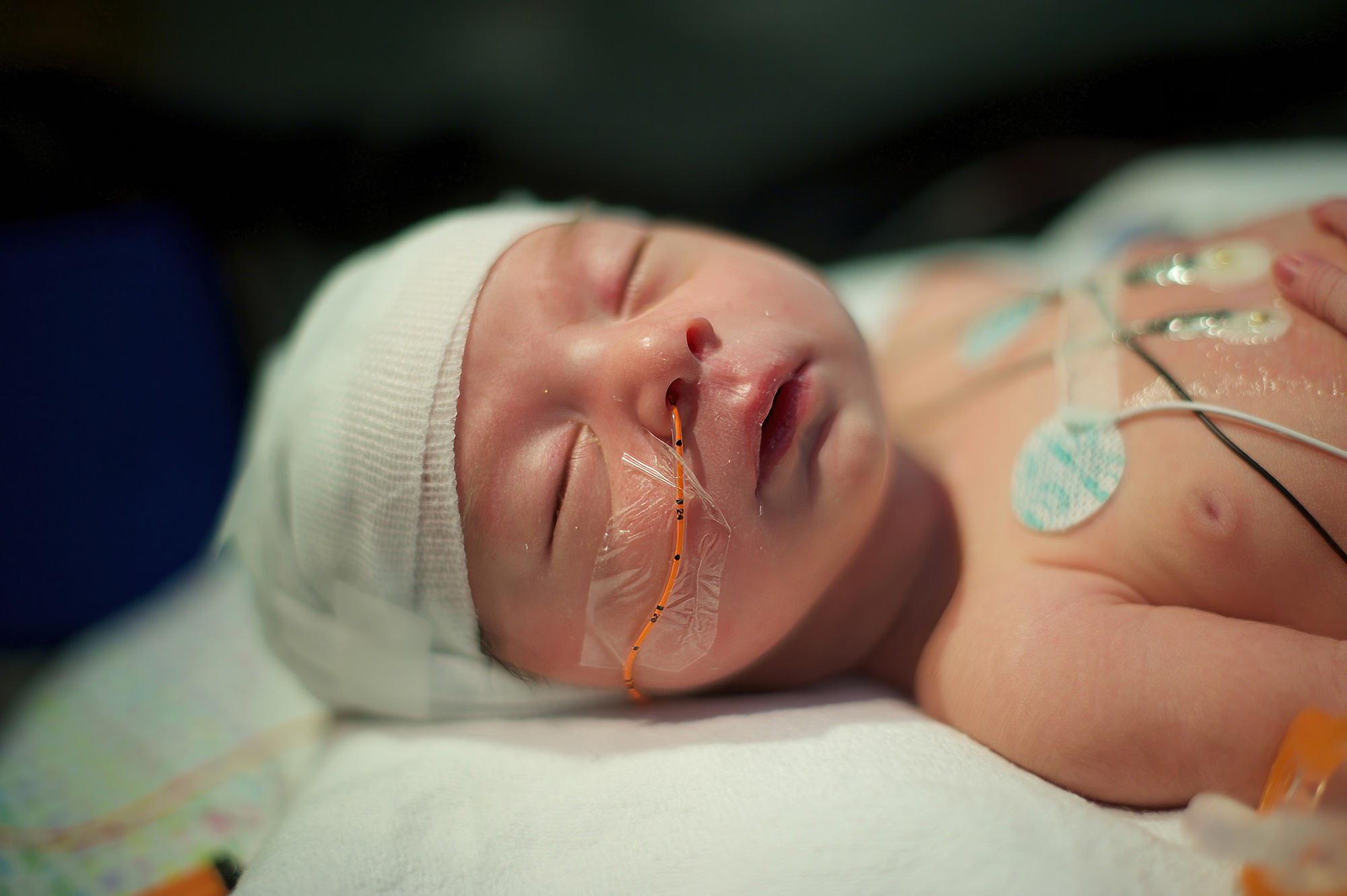
A birth injury refers to physical or neurological harm that occurs before, during, or after the birth. Many babies experience minor injuries during the delivery process that will heal on their own and without lasting impact, for example:
- Scalp swelling
- Soft tissue injuries and bruising
- A fractured clavicle or collarbone
Sadly, there are some injuries sustained at birth that are far more serious. If injuries affect the baby’s brain, nerves, or vital organs, there can be lifelong consequences for the child and the family.
How do birth injuries happen?
The reason behind birth injuries varies. Women who experience difficult births can be more at risk of birth injuries because of:
- A baby’s size (large or premature)
- Abnormal positioning (like a breech baby)
- Prolonged labour
- Small pelvis
Circumstances such as these require careful monitoring from your medical team. Many mothers go on to receive appropriate care during childbirth, and any birth injuries are considered unavoidable.
There are times, however, when birth injuries are preventable. In fact, a UK report found 74% of injured babies might have had a different outcome with better care.
Poor monitoring, incorrect instrument usage, delayed intervention, and mismanagement of labour can all point towards avoidable harm. It is cases such as these, where mistakes and failures in care are present, that may warrant a medical negligence claim.
Why is it difficult to prove clinical negligence for birth injury claims?
Showing that an injury occurred is not enough for a successful birth injury claim. Instead, you need to prove the healthcare professional could have avoided the harm if they’d provided the level of care expected of a competent practitioner.
Let’s look more closely at some common forms of birth injuries:
Cerebral palsy and hypoxic-ischaemic encephalopathy (HIE)
Cerebral palsy and HIE are often associated with oxygen deprivation around the time of birth. Cerebral palsy can have multiple causes, including antenatal factors that are entirely unrelated to the labour or delivery.
To link this to poor care, hospital records must be looked at to determine whether fetal distress was present and recognised. Medical specialists must also assess whether earlier intervention could have prevented the injury.
According to a Freedom of Information request to NHS Resolution, 254 clinical negligence claims were made between 2024-25 where the injury from obstetric care was recorded as “brain damage”, “cerebral palsy”, or “hypoxia”.
Erb’s palsy
Erb’s palsy typically happens during delivery and affects the nerves that control movement and sensation in the arm.
The good news is 80-90% of children will recover completely. However, severe cases of Erb’s palsy can mean lasting paralysis or limitations in arm movement for the child, as well as surgeries to try to correct these issues.
Erb’s palsy is usually linked to difficult births, but it’s not automatically the result of poor care. Common evidence issues can include:
- Assessing whether your medical team used excessive force during delivery
- Reviewing documentation of the manoeuvres performed and the staff’s responses
Shoulder dystocia and physical trauma
Shoulder dystocia is an obstetric emergency where a baby’s shoulder becomes lodged during delivery. While it can happen without fault, failure to manage it can lead to serious injury.
Proving negligence can be difficult because:
- Shoulder dystocia can happen suddenly
- Evidence must show that your medical team didn’t perform accepted emergency manoeuvres correctly or quickly enough
- Your records may be brief or inconsistent due to the fast-moving nature of the birth
Stillbirth and neonatal death
Stillbirth or neonatal death are deeply sensitive and complex. These cases focus on events during labour and delivery, as well as on care and monitoring in the weeks leading up to labour.
To prove negligence, you must:
- Determine whether warning signs were present but missed
- Assess whether concerns (such as reduced fetal movements) were appropriately investigated
- Interpret post-mortem findings alongside clinical records
What counts as evidence in a birth injury claim?
You need proof that the care you received fell below acceptable standards and caused lasting harm. No single document can tell the full story of how a birth injury occurred. That’s why evidence is built from multiple sources, including:
Antenatal records
These documents will highlight any pregnancy risks, scans, and warning signs of preterm labour. They show exactly what your healthcare professionals knew before your labour began,
Labour and delivery notes
Timing, medications, examinations, and who made decisions are all recorded in these notes. They help show if the care you received met the acceptable standards.
CTG monitoring and neonatal care
Cardiotocograph (CTG) printouts, Apgar scores, and neonatal charts give measures of fetal heart patterns and a newborn’s condition. This type of evidence is crucial as poor fetal monitoring is one of the leading contributing factors to avoidable brain injuries at birth.
Hospital documentation and escalation records
Operating room logs, consultant reviews, phone calls, and transfer notes show who acted and when.
Specialist reports and expert opinions
Obstetric, neonatal, and neurology expert reports explain causes and links between the birth and injury.
Understanding time limitations of birth injury claims
Typically, a claim must be raised within three years of the injury date or the date the person became aware that negligence may have caused their injury.
Birth injury claims follow a slightly different legal approach because the injured person is a child. In Scotland, you (as the parent) can bring a medical negligence claim up until the child’s 16th birthday.
If they want to make a claim themselves as a young adult, the three-year limitation period starts when they turn 16.
This extended timeframe is put in place to recognise that children can’t pursue legal action themselves, and the full extent of the birth injury might not be immediately apparent.
Can a birth injury claim relate to the mother?
Birth injury claims are frequently associated with harm to the baby, but childbirth places a significant physical demand on the mother’s body, too.
Most women recover well from childbirth injuries; however, if you suffer severe injuries (from third- or fourth-degree perineal tears to maternal sepsis), you may be able to make a medical negligence claim.
According to the 2024 Birth Trauma Inquiry Report, the average maternal injury claim has increased significantly from £82,011 in 2006/07 to £301,492 in 2022/23. It’s worth noting that the standard three-year time limit applies if the claim concerns the mother and not the child.
Contact our Birth Injury Claims Lawyers
A successful birth injury claim often depends on detailed medical records, expert analysis of care, and clear evidence. Seeking legal advice quickly allows your medical negligence solicitor to secure and preserve vital records.
If you or your child has suffered a birth injury as a result of poor care, get in touch with our team at Friends Legal today.