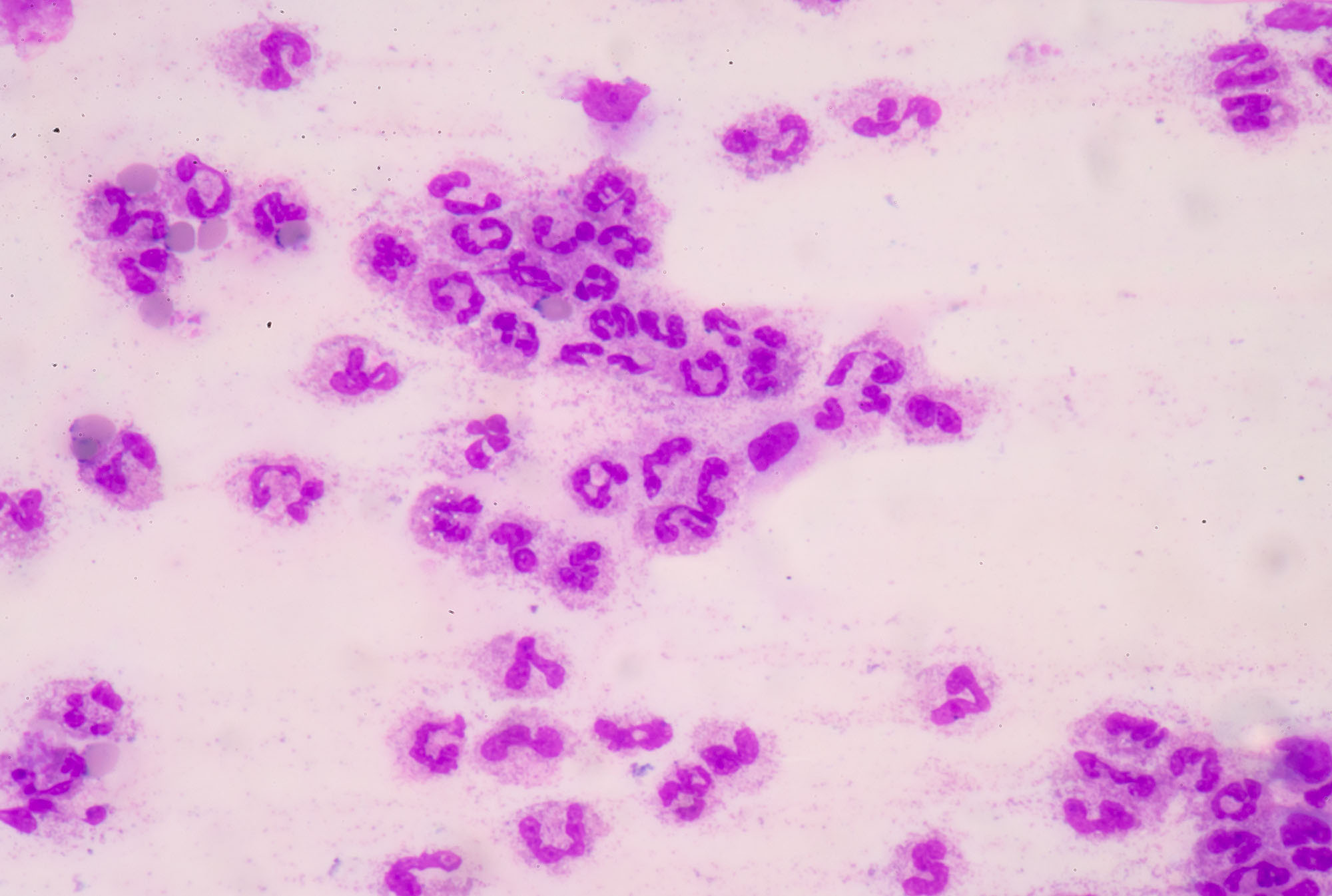
Sepsis is the body’s extreme response to infection and is considered a time-critical and life-threatening medical emergency. Because early treatment is so important, many medical malpractice claims involving sepsis negligence focus on delays in diagnosis, or failures to recognise warning signs quickly enough.
According to studies, approximately 8%-20% of sepsis patients experience a missed or delayed diagnosis. Understanding why delays occur in sepsis treatment can help you determine whether the care you received fell below expected standards, and if it’s a case for sepsis negligence solicitors to take on.
What is sepsis?
Sepsis happens when your body’s response to infection spirals out of control and, instead of fighting the germs, your immune system starts attacking your own organs and tissues.
Normally, your body can release chemicals to fight infection. With sepsis, however, those same chemicals set off widespread inflammation and destroy your organs.
Without urgent treatment, sepsis can rapidly progress to septic shock, organ failure, and even death. According to the Sepsis Trust, there are around 48,000 sepsis-related deaths in the UK every year.
Sepsis can develop from many different infections, such as:
- Urinary tract infections (also known as a UTI)
- Gastrointestinal infections (like appendicitis)
- Skin infections (such as a wound or cellulitis)
Why is early diagnosis so important?
Research shows that early treatment for sepsis significantly improves patient outcomes.
In fact, one report found that those who received antibiotics more than one hour after sepsis recognition had almost double the risk of death compared to those treated within the first hour. This is why delays play such a major role in sepsis negligence claims.
Healthcare staff use screening tools, such as the National Early Warning Score (NEWS2), to detect severe deterioration in a patient’s condition. The NEWS2 scoring works as follows:
| Risk level | NEWS2 score | Antibiotic window |
| High | 7 or more | Within 1 hour |
| Moderate | 5-6 | Within 3 hours |
| Low | 1-4 | Within 6 hours |
When caught early, doctors can tailor antibiotics to the infection. However, if they wait too long, the infection can spread, making treatment much harder and less likely to work.
Why can sepsis be difficult to diagnose in the early stages?
Sepsis can be hard to spot because its symptoms can resemble less serious illnesses, e.g., the flu, a chest infection, or just feeling under the weather.
Women who are pregnant are also at risk of sepsis signs going unnoticed because of pregnancy, labour, or postpartum symptoms. Maternal sepsis accounts for more than 10% of global maternal deaths and therefore requires urgent recognition and treatment to reduce the risk of harm to both mother and baby.
Another reason it can be hard to diagnose sepsis is that blood cultures and lab results take time. Precious hours may have passed by the time results come back, so doctors regularly need to work with incomplete information.
Certain screening tools for sepsis are also controversial, with some reports saying half of them don’t actually work.
Where do delays in sepsis diagnosis happen?
Sepsis negligence claims can involve delays at several stages of treatment:
GP appointments
Your GP is usually your first port of call when you’re feeling unwell. Your GP has to rely on their judgement and basic checks — all of which can make it difficult to tell that your infection is heading towards sepsis.
If your doctor fails to recognise the symptoms of sepsis straight away, delays in treatment could mean lifelong complications, or worse.
A&E departments
Emergency department staff regularly have to make snap decisions in a hectic environment about who needs help most urgently.
A study found that giving antibiotic treatment within an hour of people presenting to A&E departments with sepsis reduced their risk of dying by a third compared to if they were given treatment at a later time.
However, sepsis can be missed in A&E, especially early on. You might wait hours before seeing a doctor, and during that time, things can go downhill fast.
Post-operative care in the hospital
Being in hospital after surgery brings its own risk, as infection can develop and quickly tip over into sepsis.
Issues can arise when staff think your symptoms are just part of recovery, or when different nurses and doctors on different shifts don’t notice you’re getting worse.
What happens when sepsis treatment is delayed?
Medical evidence increasingly shows that delayed antibiotic treatment in sepsis is associated with poorer outcomes, which is why clinical negligence investigations often focus on whether treatment should have been escalated sooner.
While some people recover fully after sepsis, around 40% of the survivors of sepsis are said to deal with life-changing after-effects, known as post-sepsis syndrome. This can include:
- Organ failure
- Tissue damage
- Possible limb amputation
- Long-term disability
- Chronic health issues
When is a delayed sepsis diagnosis considered medical negligence?
To bring a sepsis negligence claim, you’ll need to show that a competent healthcare professional would have acted differently in the same situation. If your sepsis symptoms were odd or subtle, it can be harder to prove negligence.
Concern about medical negligence may be apparent if:
- Warning signs were overlooked
- Deterioration was not recognised
- Appropriate investigations were not carried out
- Treatment or antibiotics were delayed
- The patient was discharged too early
Speak to a sepsis negligence lawyer
Sepsis negligence claims may involve multiple stages of care, from GP treatment to hospital care. At Friends Legal, our medical negligence team can help investigate whether warning signs were appropriately recognised and whether treatment should have been administered sooner.
Contact us today to discuss your experience with sepsis.